

What to check first
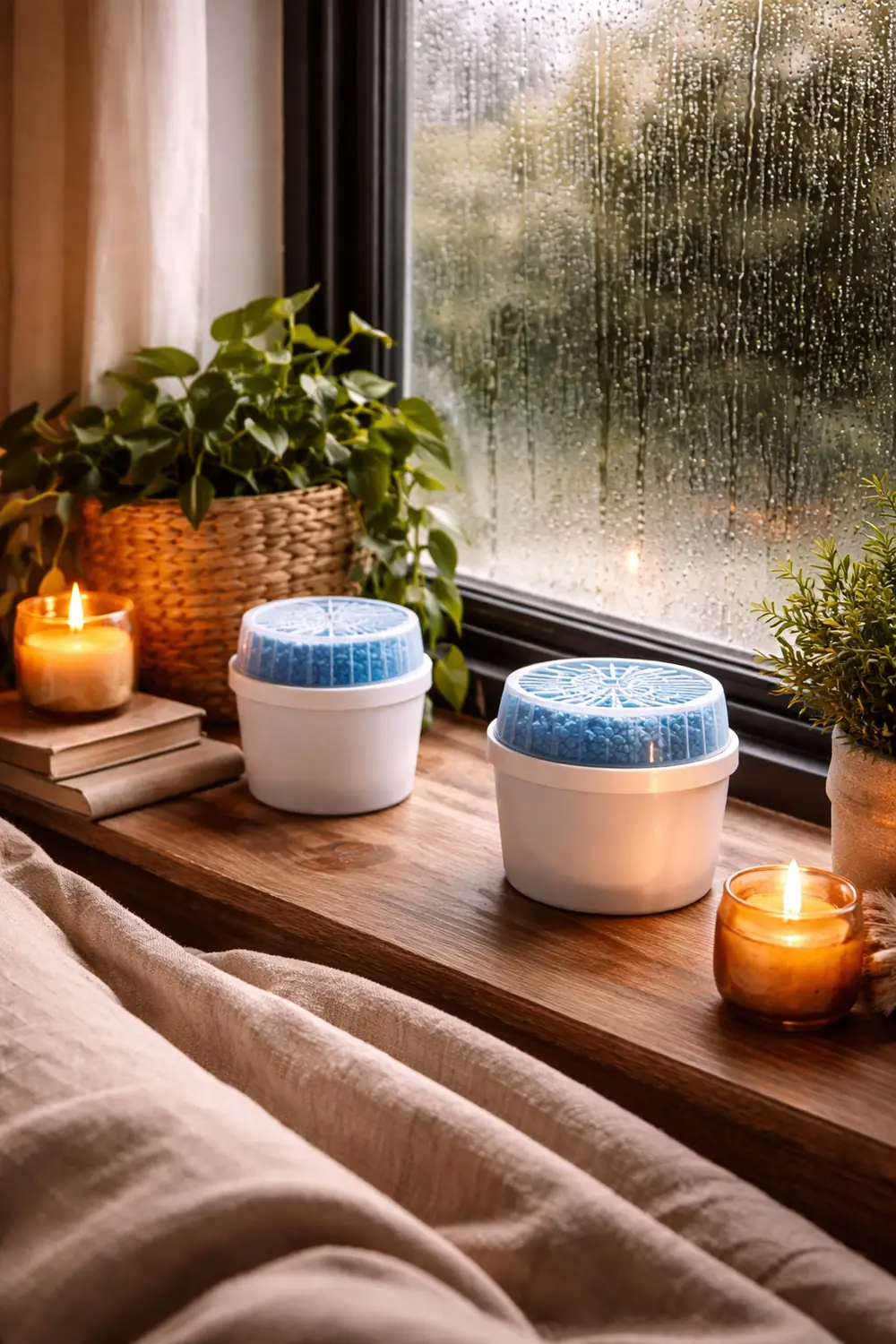
- If windows nearby mist up while washing dries, moisture is spreading further than the laundry area.
- If the room smells stale, damp air is likely staying trapped around the drying rack.
- If walls behind furniture feel cool, airflow may be too weak around the edges of the room.
- If indoor drying happens often, a dehumidifier is usually more effective than relying on heat alone.
If this becomes a regular pattern, nearby rooms can stay damp enough for stale air, cold surfaces and hidden damp spots to build up quietly.
Why drying clothes indoors changes the room
Wet washing releases moisture gradually as it dries. That may feel harmless at first, but in a smaller utility area, spare room or kitchen corner, the amount can be enough to shift the balance of the whole space. If windows stay closed or there is little extraction, the air becomes heavier and the room takes longer to return to normal.
This is why condensation often appears near laundry before it shows up anywhere else. The extra moisture does not always stay close to the clothes airer. It can drift into adjoining rooms, settle on colder glass and walls, and leave a faint damp feeling that is easy to overlook at first.
Where hidden damp tends to gather
Laundry moisture often collects in the least obvious places. Behind furniture, inside cupboards, around window reveals and on external walls, the air can remain slightly damp even if the middle of the room looks fine. Repeated indoor drying in the same spot can slowly create a stuffy atmosphere or a musty smell without any dramatic sign of a leak.
Airflow is usually the deciding factor. If the room has no clear path for fresh air to enter and humid air to leave, moisture can become trapped around the drying rack itself. Heating can help, but warmth on its own is not enough if the damp air simply stays in circulation.
Practical ways to dry clothes more comfortably
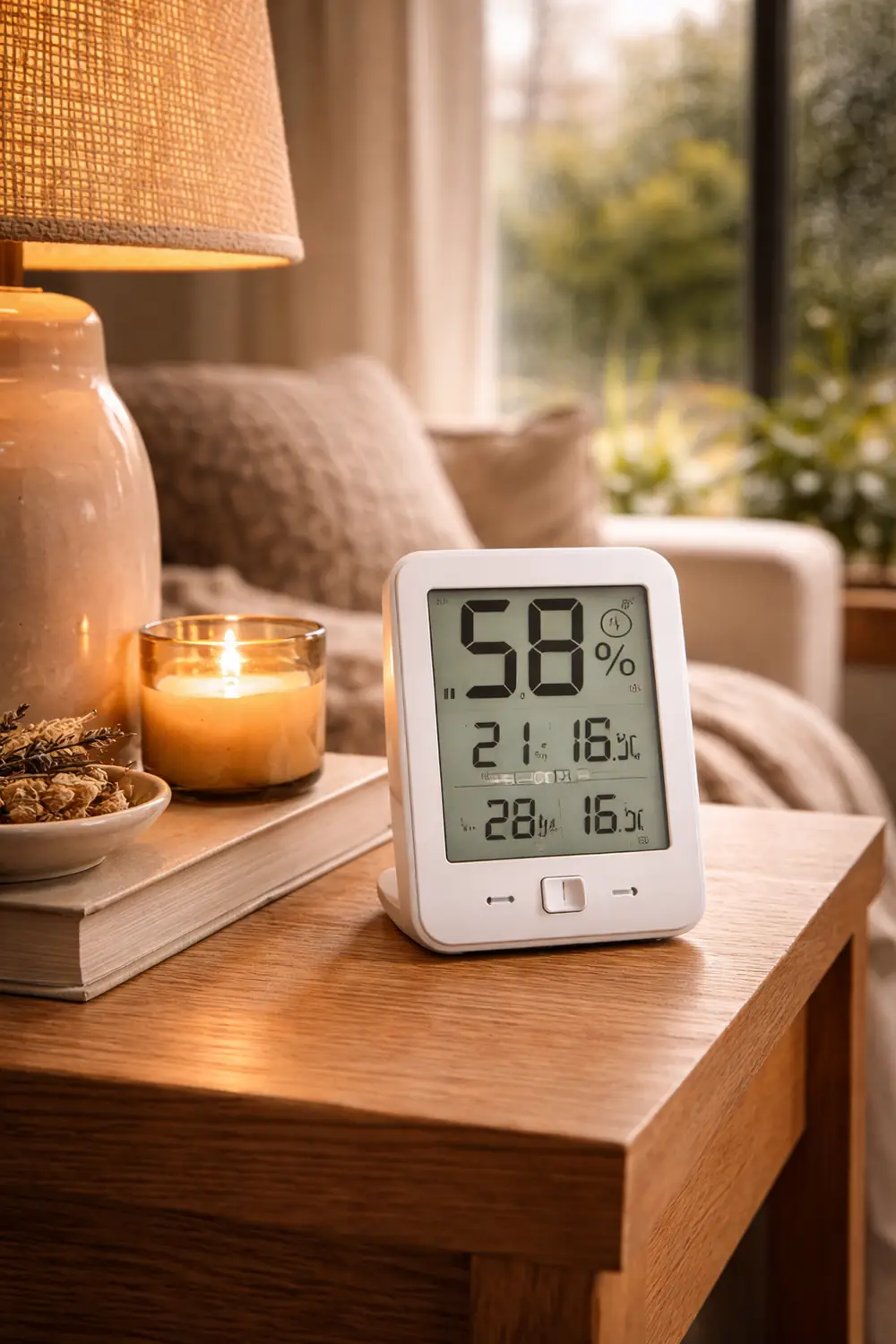
The most useful approach is to combine steady airflow with moisture control. Spacing clothes well, avoiding overloading one small room, and using a dehumidifier during drying can reduce the strain on the space. A hygrometer is especially useful here because it shows whether the room is actually clearing or just feeling temporarily warmer.
If you regularly dry washing indoors, it is worth paying attention to the rooms beside the laundry area too. Condensation on nearby windows or a slightly stale smell in an adjacent hallway can be a sign that the moisture is travelling further than expected.
- Leave enough space between items so air can move around the fabric.
- Use ventilation or extraction while clothes are drying.
- Choose a dehumidifier if indoor drying is part of your normal routine.
- Check neighbouring rooms for signs that damp air is spreading.