As an Amazon Associate I earn from qualifying purchases.
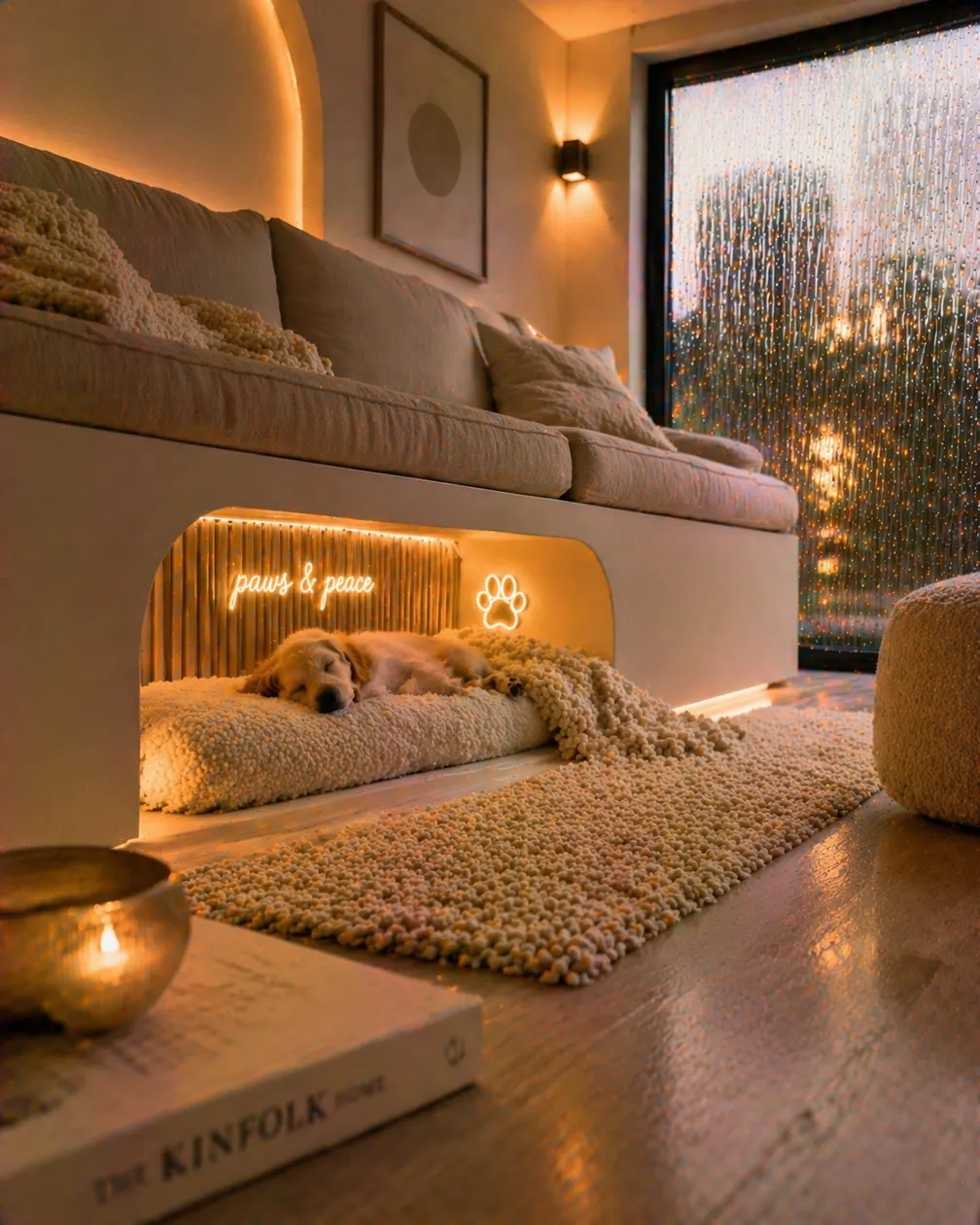
Condensation & Air Quality
Your home might look clean and comfortable, but if moisture builds up quietly on windows and walls, your dog may feel it before you do.
In some homes, the air around a dog's bed or favourite sleeping nook can quietly become one of the heaviest, least breathable parts of the room.
As an Amazon Associate I earn from qualifying purchases.
Quick answer
This usually means moisture is building up in the room faster than airflow, heat and daily drying can clear it, especially in still corners where dogs tend to sleep.
Once you notice it, it tends to follow the same pattern: fine during the day, slightly damp by morning, then repeating again the next night.
In practical terms, the room may be holding onto ordinary household moisture from showers, cooking, laundry and breathing for longer than it should. Even when the space looks calm, the air around a window, external wall or tucked-away nook can stay cooler and more still than the rest of the room.
That is why this often shows up around pet beds before it feels like a whole-room problem. Dogs rest close to floors, walls and sheltered corners, so they spend more time in the parts of the room where damp air lingers.
Over time, slightly stale or damp air can affect comfort, breathing, and overall wellbeing - especially in spaces used repeatedly.
Most issues improve quickly once the air is properly dried and the space can breathe again.
If the space around your dog's bed feels cool, clammy or slightly heavy, start with one main fix first and use the other tools as support.
If the room keeps slipping back into the same pattern each morning, the issue is usually not one-off moisture but a repeating imbalance between how much water the room is taking on and how slowly it is clearing.

Usually the fastest way to improve air quality in the exact spaces dogs return to every day.
Most useful in rooms that stay humid overnight or after showers, cooking, or indoor drying elsewhere in the home.
See the main fixWhen a dog keeps sleeping in the same nook, reducing overall moisture tends to change that space fastest because the whole room starts clearing more evenly.
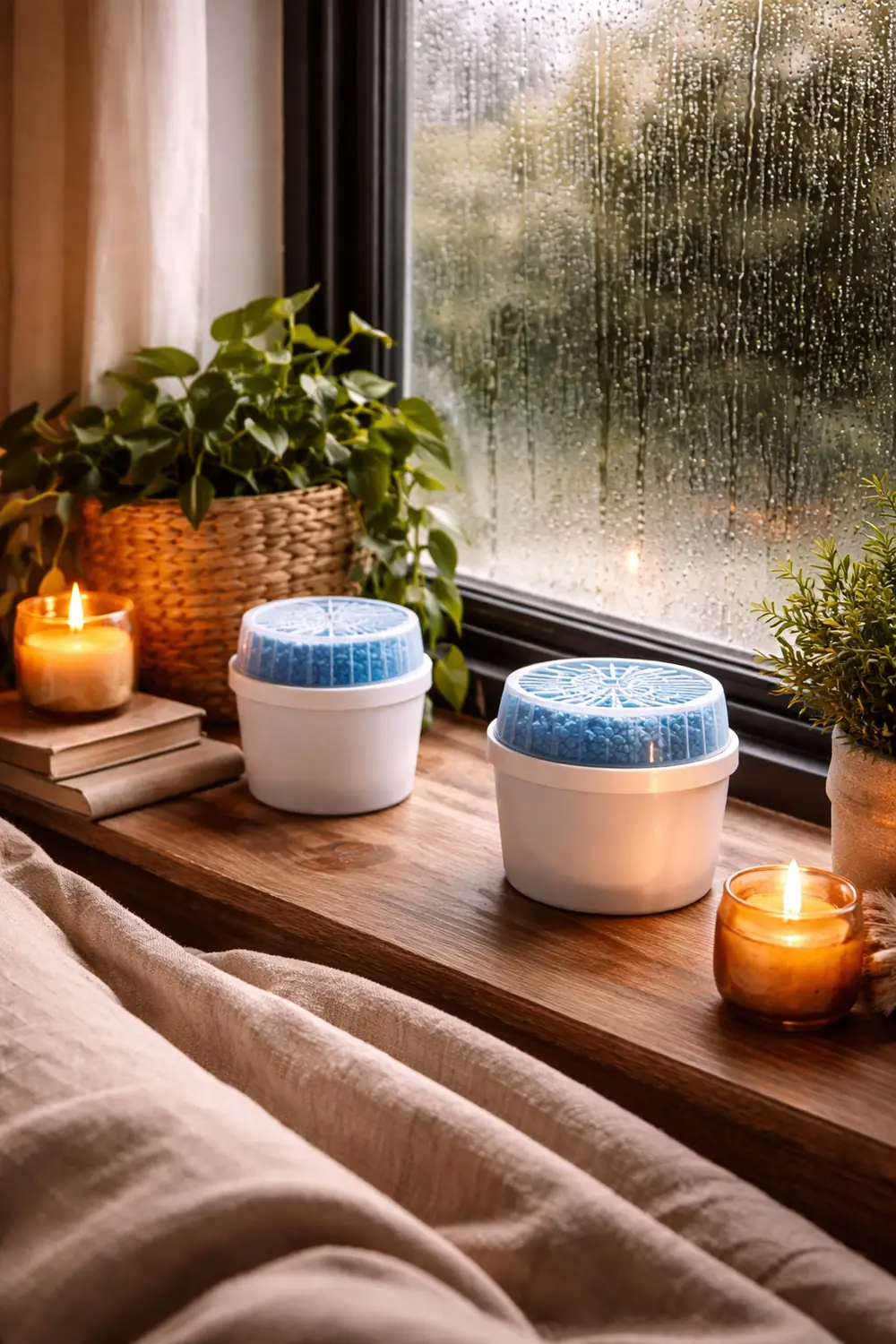
A support option for corners, cupboards and smaller spaces where damp seems more localised.
Most useful when the issue is concentrated around one nook rather than across the whole room.
Support for smaller spacesIf the issue feels concentrated around one basket, one curtain edge or one under-stairs corner, a smaller support option can help alongside better airflow.
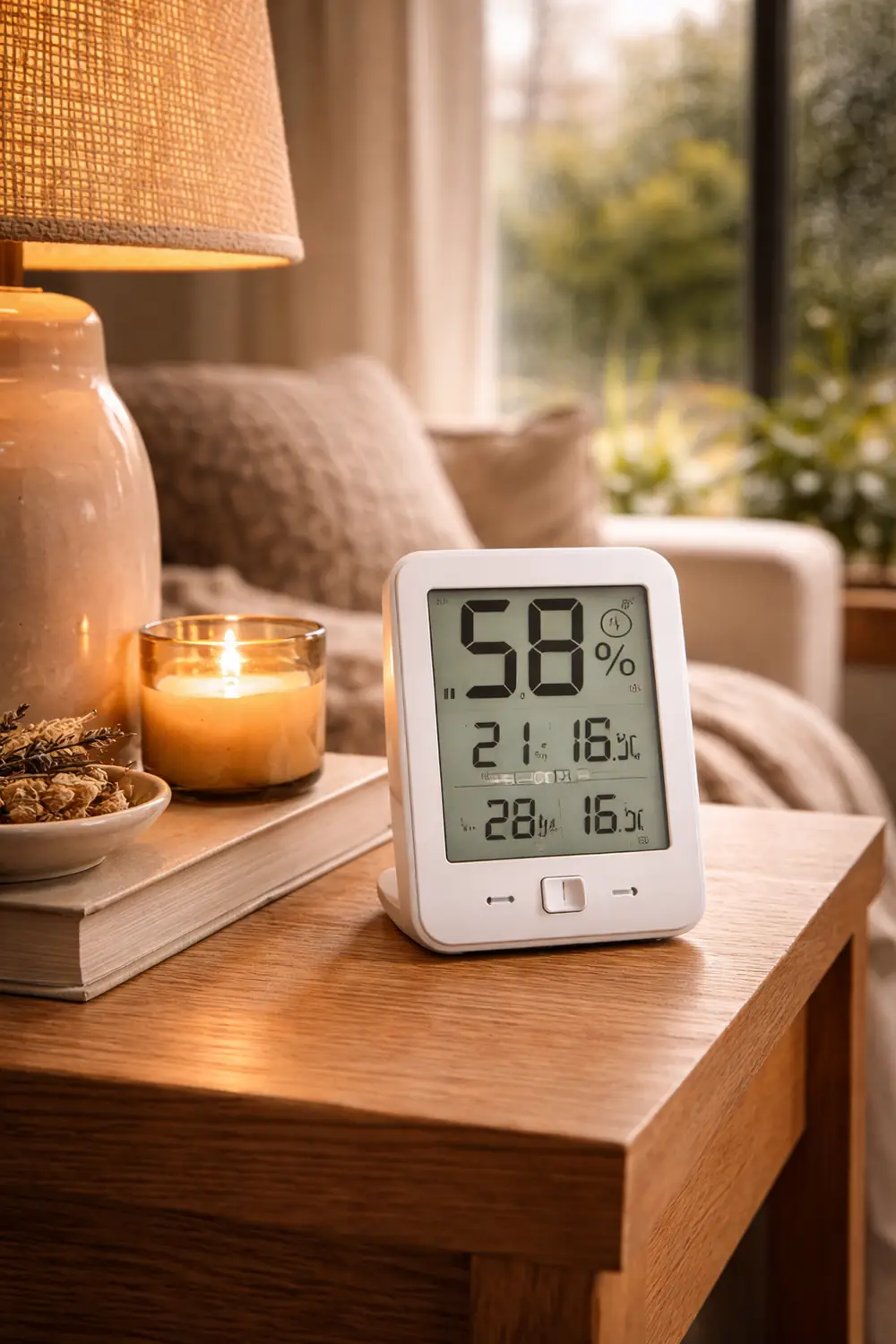
A simple way to stop guessing and check whether moisture levels are actually staying too high.
Tip: Most homes feel comfortable around 50-60% humidity. If your room stays above this, moisture may not be clearing properly.
Check humidity levelsAs an Amazon Associate I earn from qualifying purchases.
If this keeps happening, a cosy nook can stay cooler, heavier and more prone to damp buildup in the quiet corners that never fully dry out.
Dogs spend more time close to the floor, skirting boards, windows and the colder edges of a room. That puts them nearer to the places where moisture tends to settle first. If a room is holding humid air, your dog may be resting in the part of the space that clears the slowest.
Especially in the exact spots they spend the most time: sleeping, resting and breathing in the same still air for hours.
That does not mean every bit of condensation is a health issue. It does mean that a damp sleeping area is worth checking, especially if the room also has poor airflow or a recurring musty smell.
That is what makes the issue easy to miss. A home can still feel beautifully kept and comfortable while one sleeping nook stays slightly cooler, heavier and slower to dry than the rest of the room.
In many homes, the problem is not the middle of the room. It is the quiet edges: behind curtains, along external walls, under stairs, or where furniture is pushed too tightly against a cold surface. Pet beds often end up in exactly these spots because they feel sheltered and calm.
This is especially common in under-stairs spaces or tucked-away corners where airflow is limited. If you imagine where the air feels stillest in the room, that is usually where moisture quietly settles first.
That cosy layout can become a moisture trap if air cannot move around it. If the wall stays cold and the room is only lightly heated, condensation can form behind cushions or along the back of a bed without being obvious straight away.
The same details that make a sleeping area feel enclosed and protected can also reduce how quickly fresh air moves through it, especially if there is a window, curtain, cold wall or built-in joinery nearby.
The signs are usually quiet at first. The room may still look tidy and comfortable, but a few patterns tend to repeat when moisture is holding where your dog rests.
If several of those keep happening in the same room, it is usually worth treating the room itself as the first thing to check.
A common version of this happens when a dog bed is placed right next to a window because the spot looks warm, soft and perfect for sleeping. It can seem ideal until condensation starts forming behind the cushions on cold mornings. The room itself may still look tidy, but the air around that corner is not clearing properly overnight.
The fix is usually simple: move the bed slightly away from the wall, improve airflow and reduce the moisture in the room. It is a small change, but it can make a noticeable difference when the same corner keeps holding damp air.
It is the kind of mistake many homes make without realising it: the nook looks finished, but the room behaves differently once colder weather arrives.
Most of the time, the answer is not to overhaul the room. A little more airflow around the bed, steadier background heat and less trapped moisture can all help the space feel more settled.
This is especially noticeable in colder months, or in homes where heating and ventilation do not quite balance. If the room still feels damp after small changes, a compact dehumidifier is often the simplest next step.
This often overlaps with bedroom condensation patterns, where overnight moisture builds up in similar ways.
The goal is not to make the room clinical. It is simply to help the space return to dry, ordinary comfort more easily after daily moisture builds up.
It is better to treat this as a home-environment check rather than a medical conclusion. Condensation and mould may contribute to poor air quality, and it is worth paying attention if your dog is spending long periods near damp surfaces. If you are worried about symptoms, speak to a vet.
Most homes only need small adjustments to feel noticeably drier and more comfortable. Start with the room, and the rest usually follows.
Related reads for understanding how moisture behaves in living rooms and laundry spaces too.